
Creative Assessment Strategies: 4 Engaging Alternatives to Traditional Essays
Assessing student learning often relies heavily on essays. Essays help build writing skills, develop clear thinking, and demonstrate text analysis. Yet, essays are not the only way to measure these skills. Teachers can use creative alternatives that engage students differently while still assessing critical academic abilities. Offering students a choice in how they demonstrate understanding can boost motivation and provide a fuller picture of their skills.
This post explores four engaging alternatives to traditional essays. Each method targets key skills like analysis, interpretation, and communication but presents them in fresh, interactive formats.
The One-Pager
A One-Pager is a single sheet of paper where students visually and textually express their ideas about a topic, text, or theme. This format encourages creativity and concise thinking. Teachers can design One-Pager assignments to assess a wide range of skills, including literary analysis, textual evidence use, and thematic understanding.
Sample Requirements for a Literary One-Pager:
A clear theme statement supported by two pieces of textual evidence
A characterization analysis with supporting quotes
Analysis of two literary devices, each with evidence and explanation of their role in the story
This approach allows students to combine writing with visual elements like drawings, symbols, or graphic organizers. It challenges them to prioritize key ideas and present them clearly and attractively.

Board Games
Board games offer a playful and imaginative way for students to demonstrate understanding of a novel or topic. Creating a game requires students to think deeply about plot, characters, themes, and key moments. This method suits students who enjoy hands-on and strategic thinking.
Sample Requirements for a Novel-Based Board Game:
A game board featuring four distinct scenes from the novel
Game pieces representing characters, each with a card explaining their traits and role
Question cards covering important quotes, themes, and genre features
Clear instructions explaining how to play the game
This format pushes students to apply their knowledge creatively and communicate it in a way that others can understand and enjoy. It also encourages collaboration if done in groups.

An In-Depth Storyboard
Storyboards break down a story or concept into sequential panels, combining images and text. This alternative helps students organize their thoughts visually and narratively. It is especially useful for assessing comprehension of plot structure, cause and effect, and character development.
Students can create storyboards by hand or digitally, illustrating key scenes or ideas and adding captions or dialogue that explain their significance. This method supports visual learners and strengthens skills in summarizing and sequencing.
Check out this example:
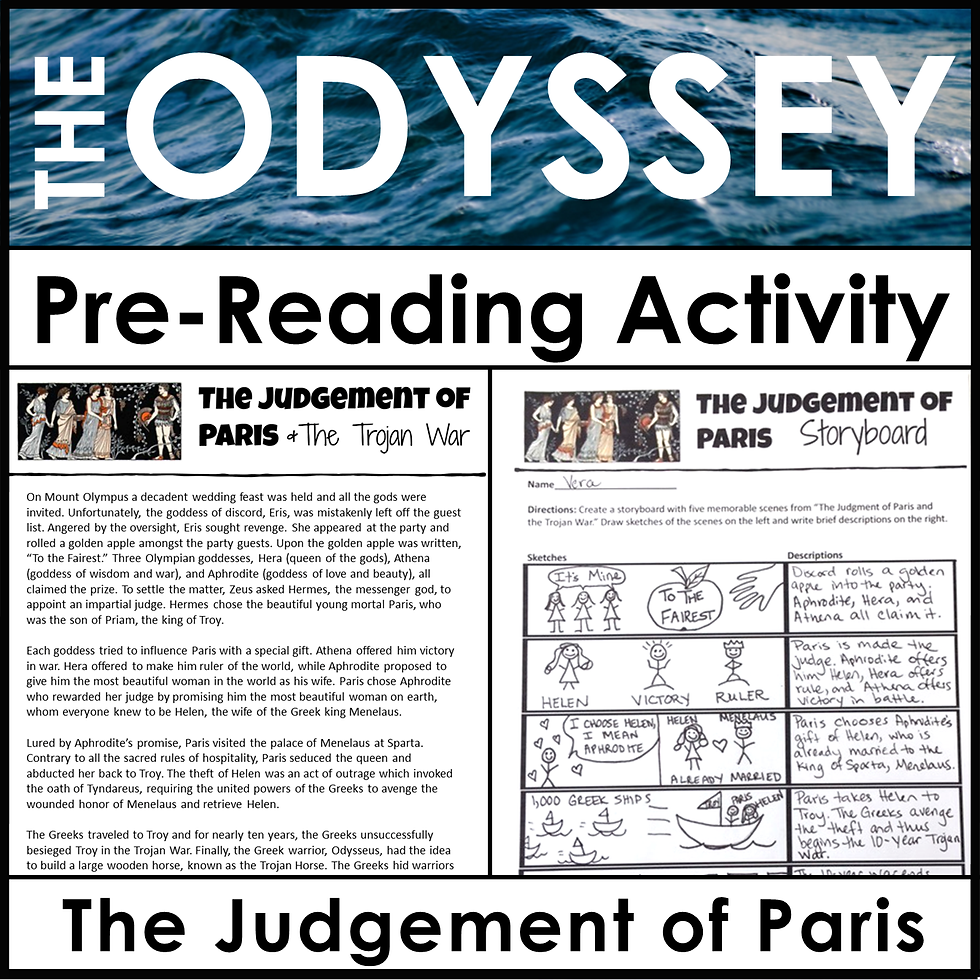
Annotation Compilation and Analysis
Annotation involves close reading and marking up a text with notes, questions, and observations. Compiling annotations into a coherent analysis lets students show how they interact with a text on a detailed level.
Teachers can ask students to collect their annotations and write a reflective piece explaining their insights. This method assesses critical thinking, textual evidence use, and interpretive skills without requiring a traditional essay format.
Using these alternatives can make assessment more dynamic and inclusive. They allow students to showcase their strengths in different ways while still meeting academic goals. Teachers can tailor each option to focus on specific skills and provide clear scoring criteria to maintain rigor.
Get Started Here:


Comments